The Effect of Home Furniture and Décor on Family Happiness in Saudi Arabia
How Interior Design Influences Comfort, Connection, and Daily Life
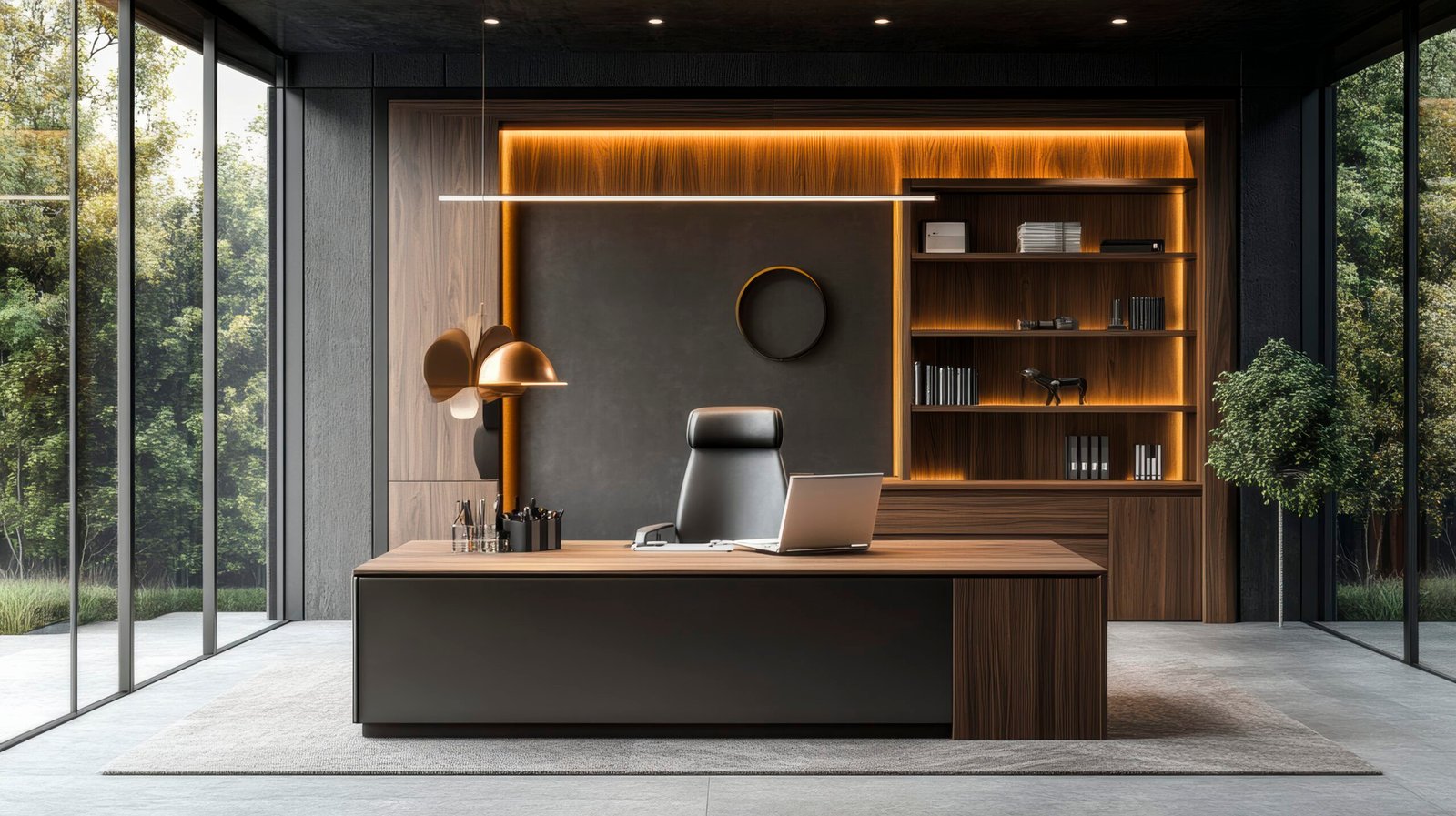
A home is more than walls and furniture — it is the environment where families gather, grow, and create lasting memories. In Saudi Arabia, where family bonds are central to culture and lifestyle, the design of a home plays a powerful role in shaping daily experiences.
From the layout of the majlis to the comfort of the living room sofa, home furniture and décor significantly influence mood, relationships, productivity, and overall family happiness.
Understanding how interior design affects emotional well-being helps homeowners make better decisions that improve quality of life.
1. Comfort and Emotional Well-Being
Furniture directly impacts physical comfort, and physical comfort affects emotional stability.
Comfortable Seating Encourages Togetherness
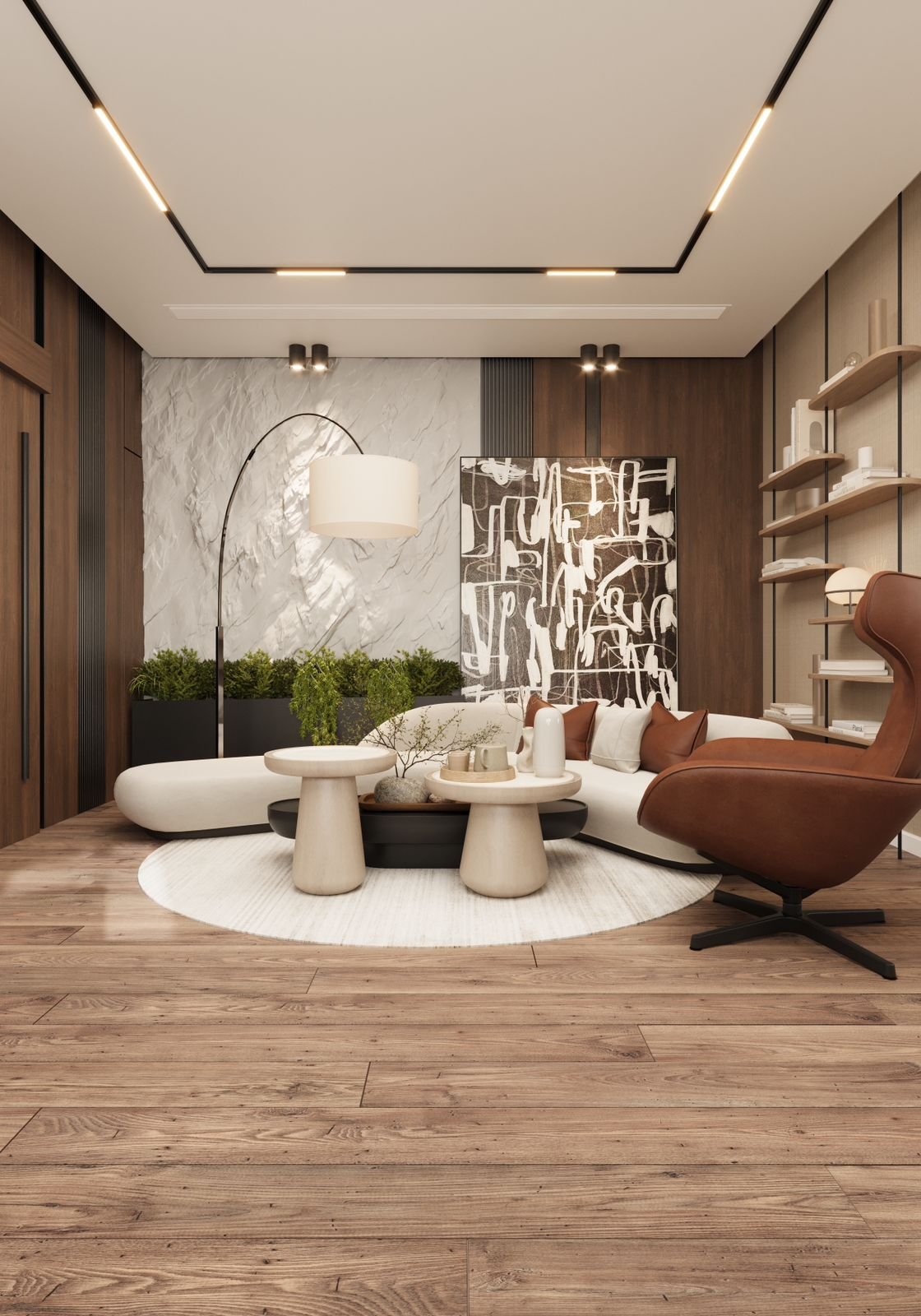
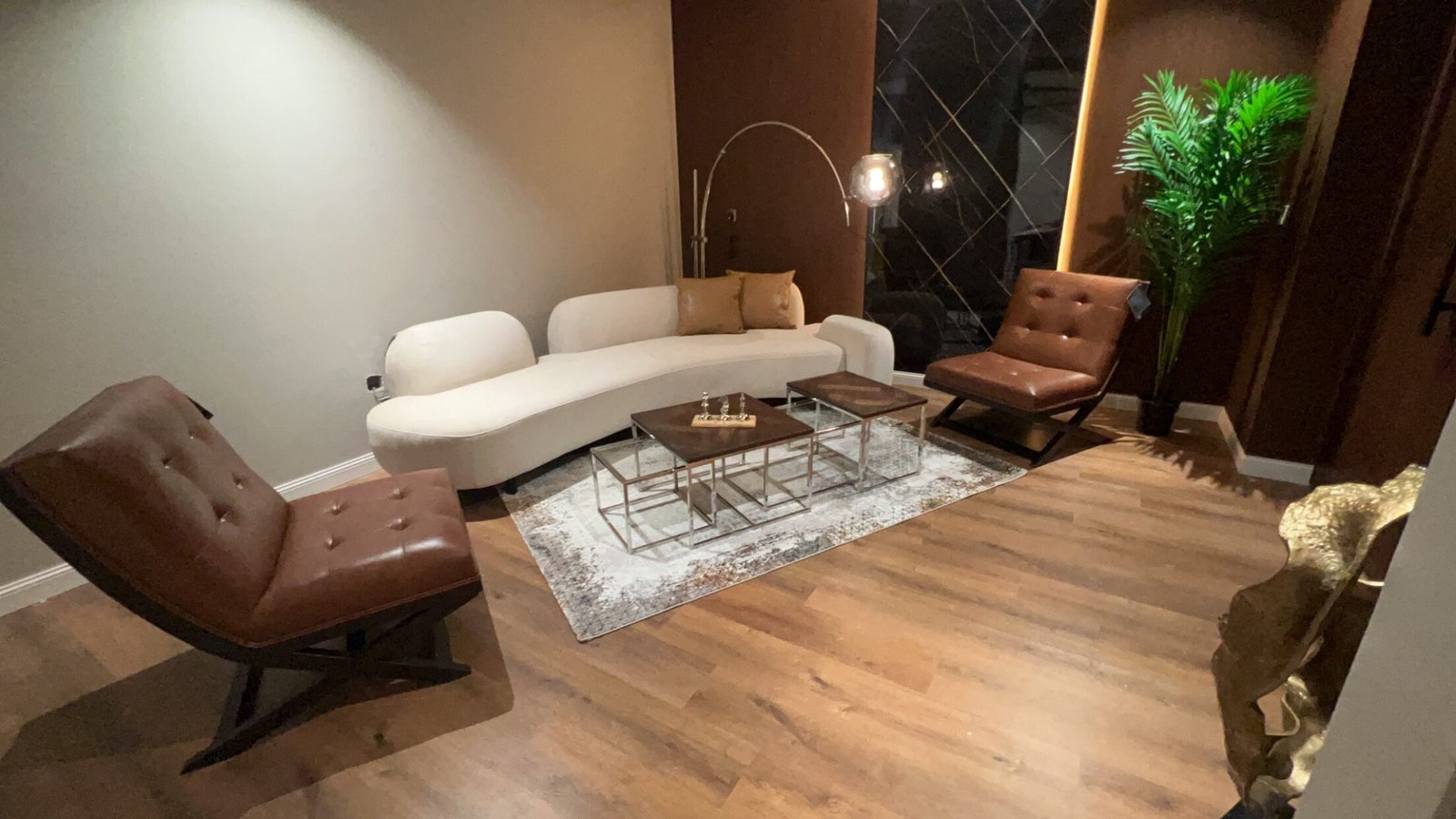
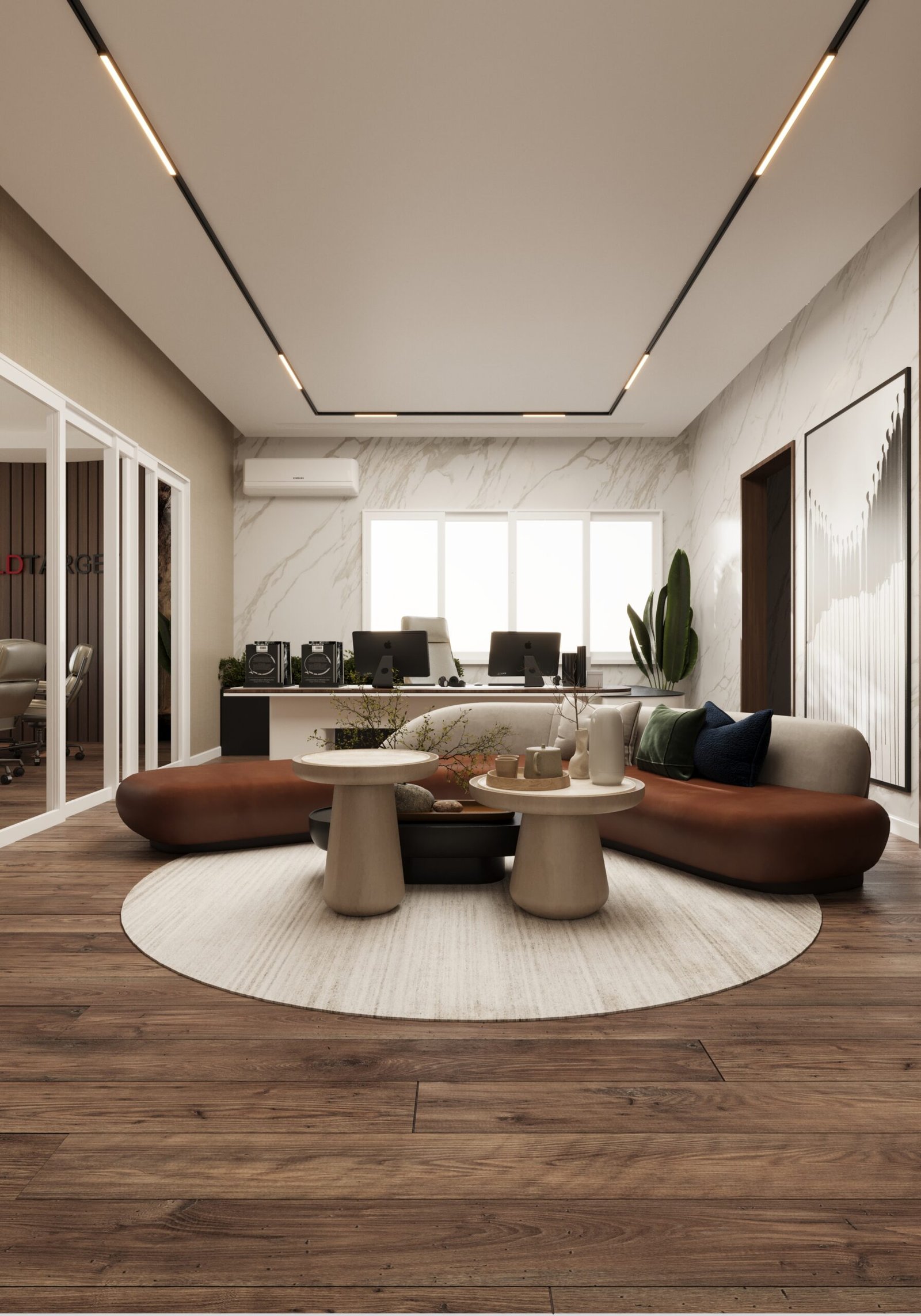
In Saudi homes, especially in villas and large apartments, seating areas such as the majlis and family living room are central gathering spaces. Properly designed furniture:
-
Encourages longer family conversations
-
Creates relaxed atmospheres
-
Reduces physical discomfort
-
Enhances social interaction
Soft, supportive seating makes family members more likely to spend time together rather than retreating to separate rooms.
Bedroom Furniture and Rest Quality
Quality beds, wardrobes, and lighting improve sleep quality. Good sleep contributes to:
-
Better mood
-
Reduced stress
-
Improved communication
-
Higher daily productivity
In a fast-paced lifestyle, especially in cities like Riyadh and Jeddah, restful bedroom environments support overall happiness.
2. Space Layout and Family Interaction
Furniture arrangement influences how families interact.
Open Layouts Encourage Communication
Modern Saudi interior trends increasingly favor open-plan living. Proper furniture placement:
-
Improves visual connection
-
Reduces isolation
-
Creates welcoming environments
When living rooms are designed for easy conversation rather than facing only a television, communication naturally increases.
Defined Spaces Improve Harmony
While openness is important, clearly defined zones also help maintain balance. Separate areas for:
-
Guests (majlis)
-
Family relaxation
-
Study or work
-
Dining
Ensure privacy and reduce daily friction.
Smart space planning contributes to peaceful coexistence.
3. Cultural Identity and Emotional Connection
In Saudi Arabia, homes reflect cultural values.
The Importance of the Majlis
The majlis is not just a room — it is a symbol of hospitality and family pride. Carefully selected furniture and décor:
-
Enhance guest experiences
-
Strengthen social bonds
-
Reflect family status and taste
When a home aligns with cultural expectations, it reinforces identity and emotional satisfaction.
Blending Tradition with Modern Design
Many Saudi families prefer interiors that combine:
-
Contemporary comfort
-
Traditional Arabic elements
-
Warm color palettes
-
Natural materials
This blend creates emotional comfort while embracing modern living.
4. Organization Reduces Stress
Clutter affects mental clarity.
Well-designed furniture with integrated storage helps:
-
Reduce visual chaos
-
Improve daily efficiency
-
Create cleaner environments
-
Support children’s organization habits
Custom wardrobes, built-in cabinets, and smart storage solutions contribute significantly to family harmony.
When everything has its place, stress levels decrease.
5. Lighting and Mood Enhancement
Lighting is one of the most powerful design elements influencing emotional well-being.
Natural Light
Large windows and light-reflecting furniture arrangements:
-
Improve mood
-
Increase energy
-
Reduce feelings of confinement
In coastal areas like Al Khobar, maximizing natural light enhances daily positivity.
Warm Interior Lighting
Layered lighting systems (ambient, task, and accent lighting) create:
-
Relaxing evening atmospheres
-
Cozy family gatherings
-
Enhanced comfort
Harsh lighting can create tension, while warm lighting promotes calmness.
6. Color Psychology in Saudi Homes
Color selection directly affects emotional response.
Neutral and Earthy Tones
Popular in Saudi interiors, these tones:
-
Create calm environments
-
Promote relaxation
-
Enhance visual harmony
Beige, soft grey, warm whites, and wood finishes are commonly associated with luxury and tranquility.
Accent Colors
Strategic use of gold, deep blue, or green can:
-
Add personality
-
Increase visual interest
-
Reflect regional design identity
Balanced color choices positively impact mood.
7. Furniture Quality and Long-Term Security
Durable, high-quality furniture creates stability.
Frequent repairs or replacements can cause:
-
Financial stress
-
Disruption
-
Frustration
Investing in quality furniture provides long-term comfort and reliability, contributing to family peace of mind.
8. Children’s Development and Environment
Children are highly influenced by their surroundings.
A well-designed home:
-
Encourages creativity
-
Supports study focus
-
Provides safe play areas
-
Teaches organization habits
Comfortable study desks and calm bedroom environments improve academic performance and behavior.
9. Hospitality and Social Happiness
Saudi culture values hospitality. A beautifully designed home:
-
Encourages hosting
-
Strengthens extended family bonds
-
Improves social confidence
When homeowners feel proud of their interior environment, they are more open to social interaction, which directly enhances happiness.
10. Personalization and Identity Expression
Furniture and décor allow families to express identity.
Customized interiors:
-
Reflect lifestyle preferences
-
Celebrate achievements
-
Showcase personal taste
This sense of ownership strengthens emotional attachment to the home.
11. The Role of Professional Interior Design
Many families underestimate the impact of professional planning.
Interior design professionals help:
-
Optimize space
-
Select harmonious materials
-
Improve lighting layout
-
Create functional furniture arrangements
Professional design reduces costly mistakes and improves long-term satisfaction.
Modern Saudi Living and Emotional Balance
Saudi Arabia’s rapid urban development has transformed lifestyles. With busier work schedules and increasing digital engagement, the home has become a sanctuary.
Well-designed interiors support:
-
Work-from-home comfort
-
Relaxation after long workdays
-
Family bonding
-
Cultural traditions
In cities like Riyadh, Jeddah, and Al Khobar, where modern architecture is expanding, interior furniture and décor play an even greater role in defining quality of life.
Conclusion
The effect of home furniture and décor on family happiness in Saudi Arabia is profound.
Furniture influences:
-
Comfort
-
Communication
-
Cultural identity
-
Organization
-
Emotional well-being
A thoughtfully designed home is not simply about aesthetics — it shapes daily experiences, strengthens relationships, and enhances long-term family satisfaction.
Investing in quality furniture, smart layouts, and harmonious décor is ultimately an investment in family happiness.