From Heritage to Vision 2030: The Evolution of Interior Design and Architecture in Saudi Arabia
A Journey of Identity, Innovation, and Modern Excellence – Inspired by Meleno
Saudi Arabia’s story is one of transformation — from ancient trade routes and mud-brick settlements to world-class cities rising confidently on the global stage. Architecture and interior design have always played a central role in shaping this narrative. They reflect the Kingdom’s culture, values, climate, and aspirations.
Today, Saudi Arabia stands at the intersection of heritage and innovation. The evolution of architecture and interior design across the Kingdom is not simply about buildings — it is about identity, community, and national progress.
For companies like Meleno, understanding this historical journey is essential. Design is not created in isolation; it grows from culture, history, and vision. This article explores the rich evolution of Saudi architecture and interior design, from its traditional roots to its modern renaissance.
The Foundations: Traditional Saudi Architecture
Architecture Shaped by Climate and Culture
Long before modern cities emerged, architecture in Saudi Arabia was deeply influenced by geography and environment.
In the central region, including Najd, buildings were constructed using:
-
Mud bricks
-
Clay plaster
-
Palm trunks
-
Stone foundations
These materials were locally sourced and climate-appropriate. Thick walls insulated homes against extreme heat, while small windows reduced sun exposure.
The traditional Najdi house often featured:
-
A central courtyard
-
Separate guest areas (majlis)
-
Private family quarters
-
Rooftop terraces for evening cooling
These spatial arrangements reflected the Kingdom’s cultural values of hospitality, privacy, and family unity.
In the western region (Hijaz), especially in cities like Jeddah, architecture developed differently. Coral stone and wooden lattice screens (mashrabiya) were used to allow ventilation while preserving privacy.
Each region of Saudi Arabia developed a distinctive architectural identity shaped by environment and social traditions.
Interior Design in Traditional Saudi Homes
Interior spaces were modest but meaningful.
Decoration often included:
-
Geometric wall patterns
-
Handcrafted wooden doors
-
Colorful textiles
-
Floor seating arrangements
The majlis became the heart of hospitality — a space designed for gathering, storytelling, and connection.
Interior design at that time was not about luxury but about functionality, warmth, and cultural expression.
The Oil Boom and Modernization (1950s–1980s)
Rapid Urban Development
The discovery of oil in the 1930s changed the trajectory of Saudi Arabia. By the 1950s and 1960s, rapid economic growth led to large-scale urban development.
Concrete replaced mud bricks. Imported materials became accessible. International architects introduced modern building methods.
Cities such as Riyadh, Jeddah, and Dammam expanded quickly.
With modernization came:
-
High-rise buildings
-
Government institutions
-
Educational facilities
-
Commercial centers
Architecture became more contemporary, incorporating global influences while slowly distancing from purely traditional forms.
The Shift in Interior Design
During this period, interior design evolved significantly.
Homes began incorporating:
-
Imported furniture
-
Decorative chandeliers
-
Marble flooring
-
European-inspired layouts
Luxury became more visible. Yet cultural elements remained present, especially in the majlis and family areas.
The fusion of traditional hospitality with modern aesthetics began shaping a uniquely Saudi design identity.
The 1990s–Early 2000s: Blending Heritage with Modern Luxury
As Saudi society became more globally connected, design trends diversified.
Architects and designers started blending:
-
Islamic geometric patterns
-
Modern minimalism
-
Contemporary materials
-
Large open spaces
Villas became larger and more elaborate. Interior decoration focused on:
-
Grand entrances
-
Decorative ceilings
-
Statement lighting
-
Marble finishes
-
Custom woodwork
The Saudi home evolved into a symbol of success and cultural pride.
Interior design became more specialized, and professional firms began emerging across the Kingdom.
The Rise of Professional Interior Design Firms
By the early 2000s, the demand for professional interior design services increased.
Clients sought:
-
Customized furniture
-
Space planning expertise
-
Luxury finishing
-
Brand-focused commercial design
Interior design was no longer seen as an optional luxury — it became a strategic investment.
Commercial spaces, hotels, offices, and retail outlets required professional environments that matched international standards.
This marked the beginning of a new era for design companies across Saudi Arabia.
Vision 2030: A Design Renaissance
A National Transformation
With the announcement of Vision 2030, Saudi Arabia entered a transformative period across all sectors — including architecture and interior design.
Mega-projects such as:
-
NEOM
-
The Red Sea Project
-
Diriyah Gate
-
Qiddiya
Signaled a bold new architectural future.
These projects emphasize:
-
Sustainability
-
Smart city technology
-
Cultural preservation
-
Global design standards
Saudi architecture is no longer just adapting to global trends — it is contributing to them.
Modern Saudi Interior Design Today
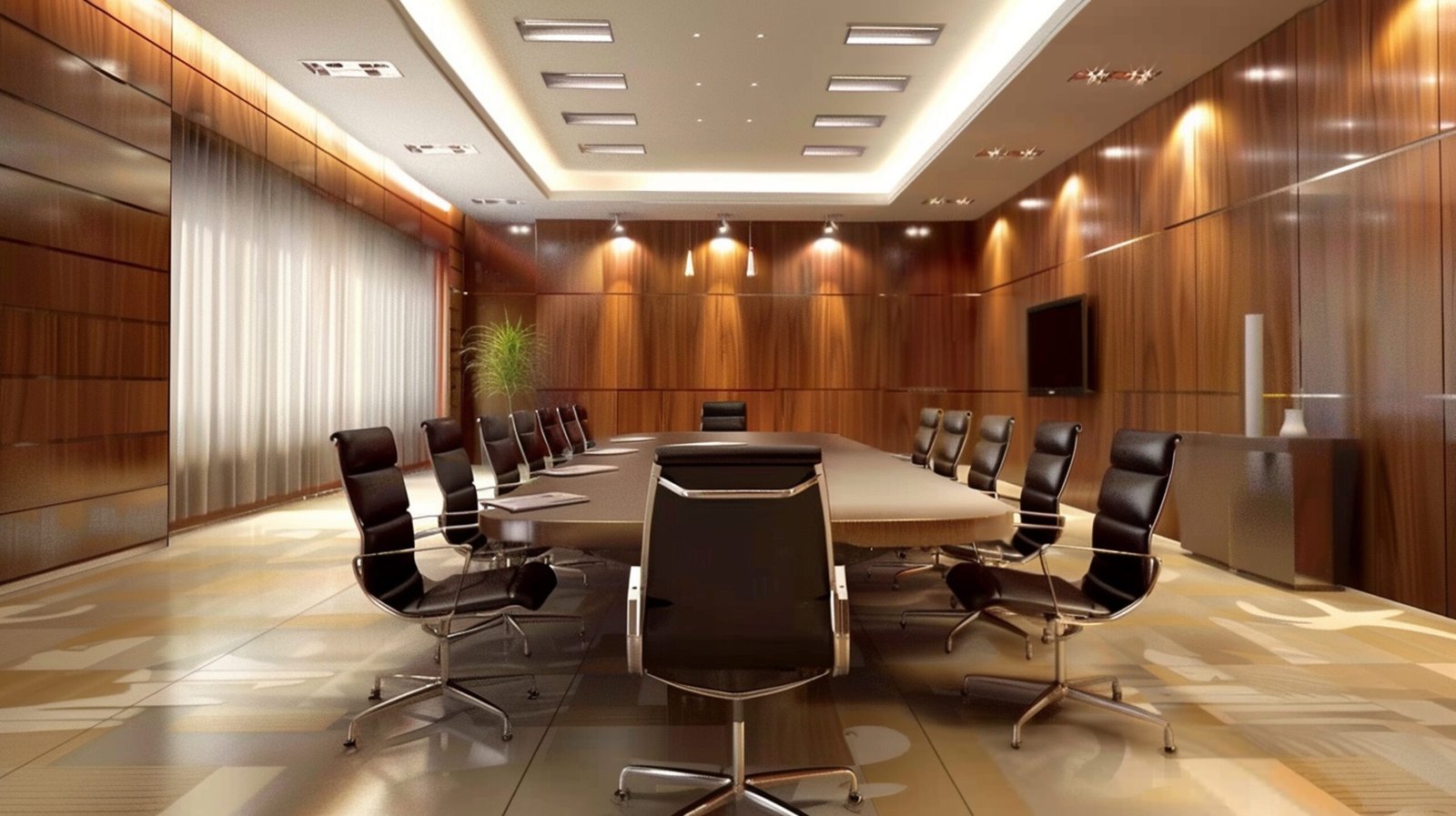
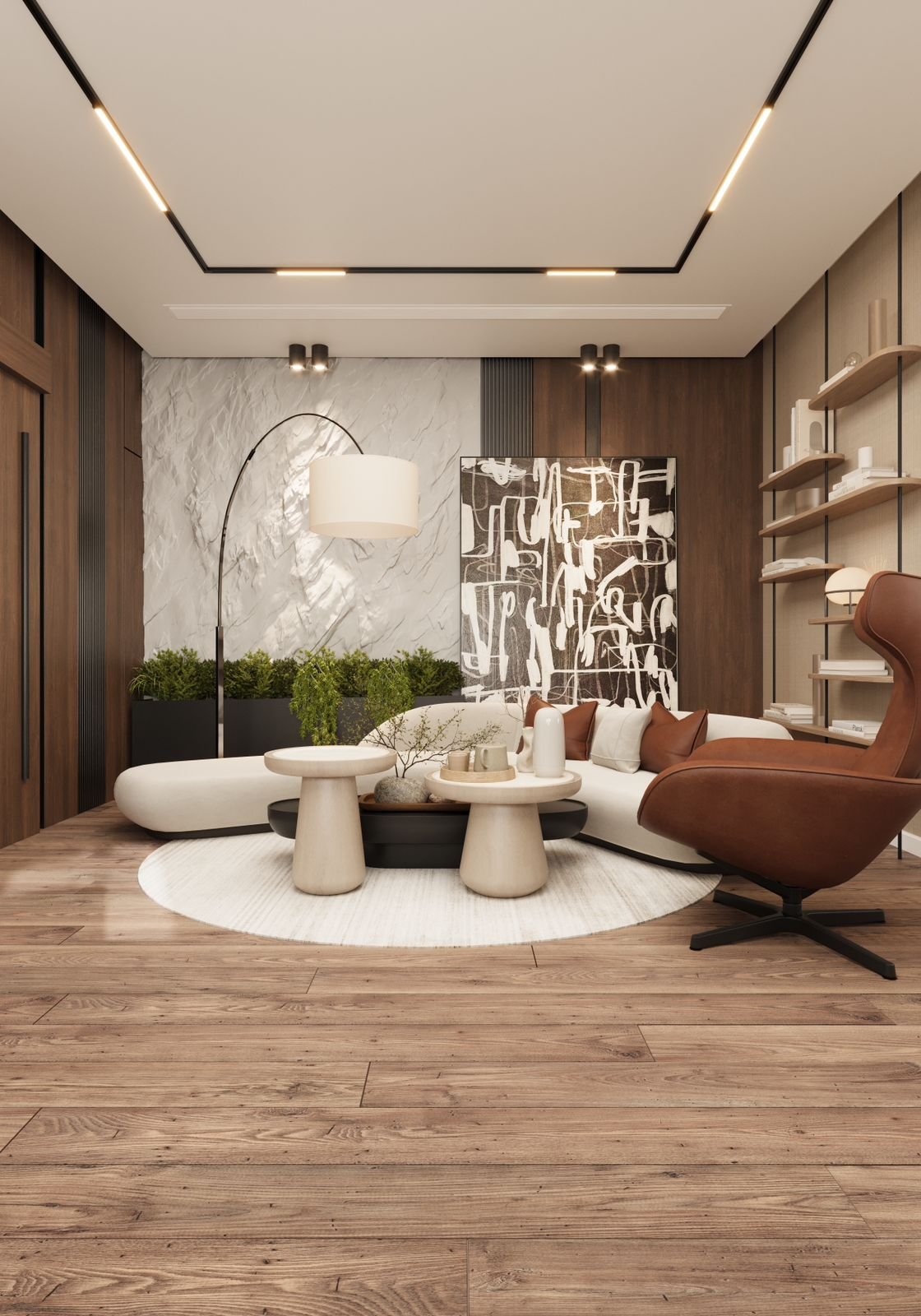
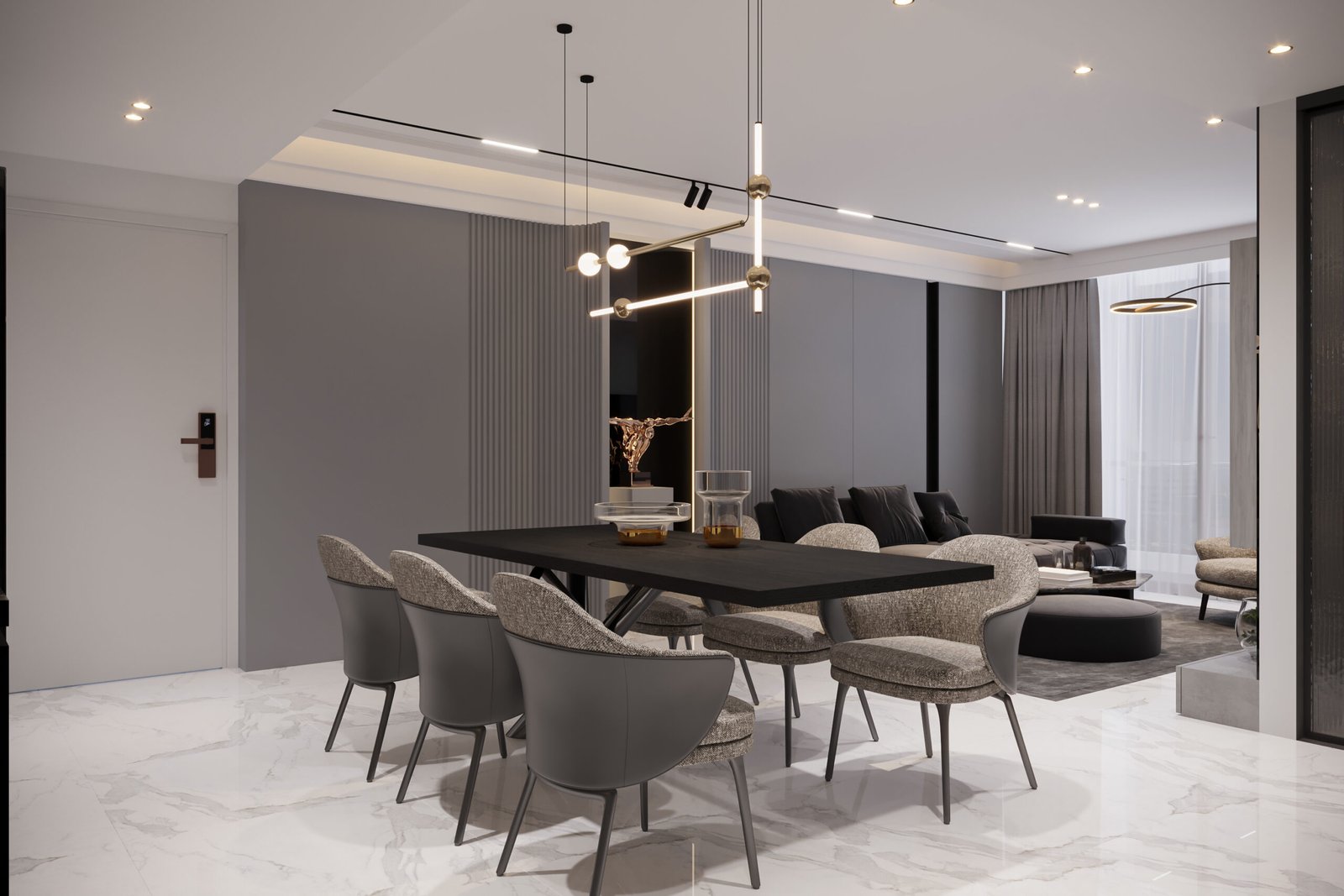
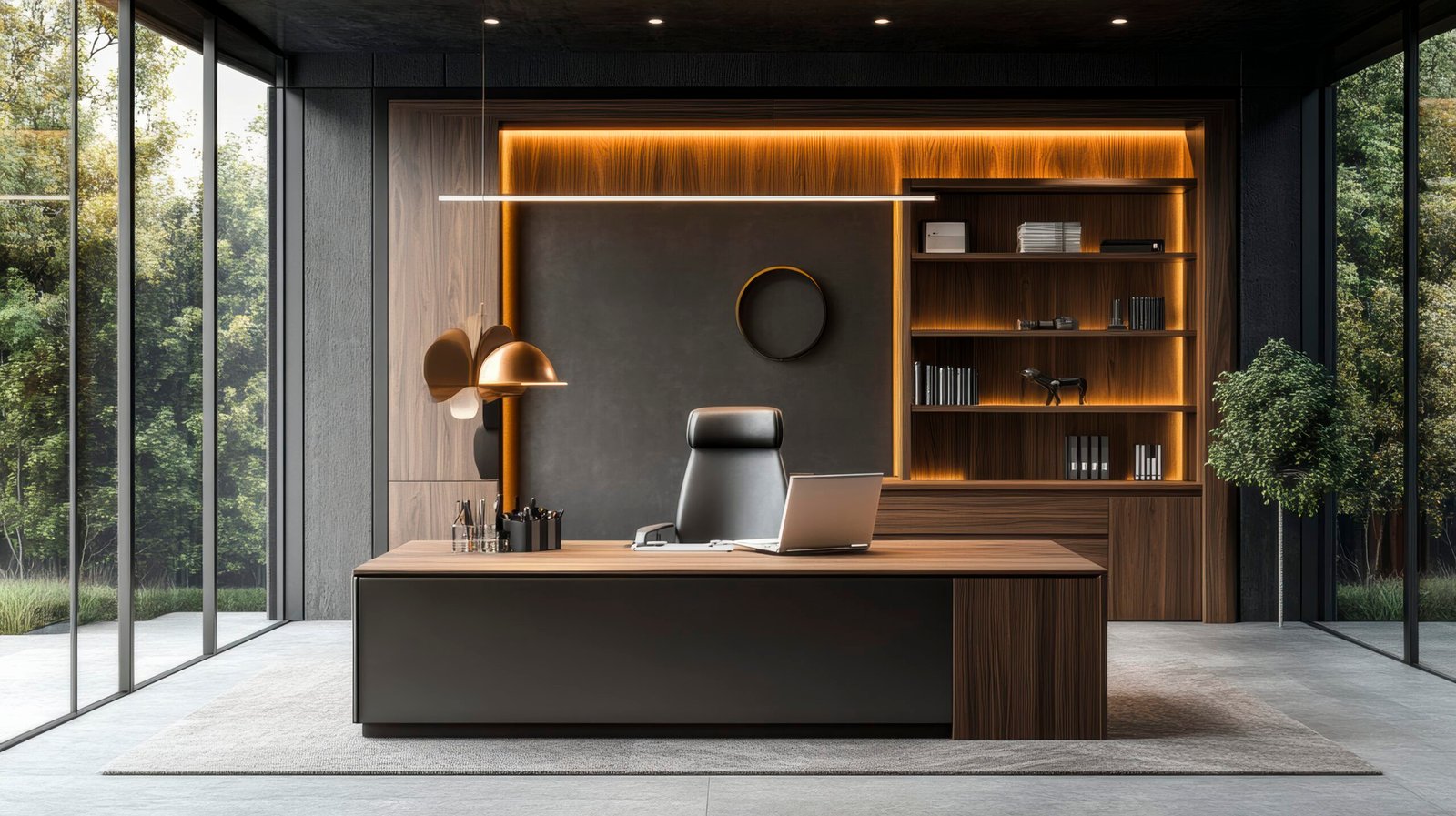
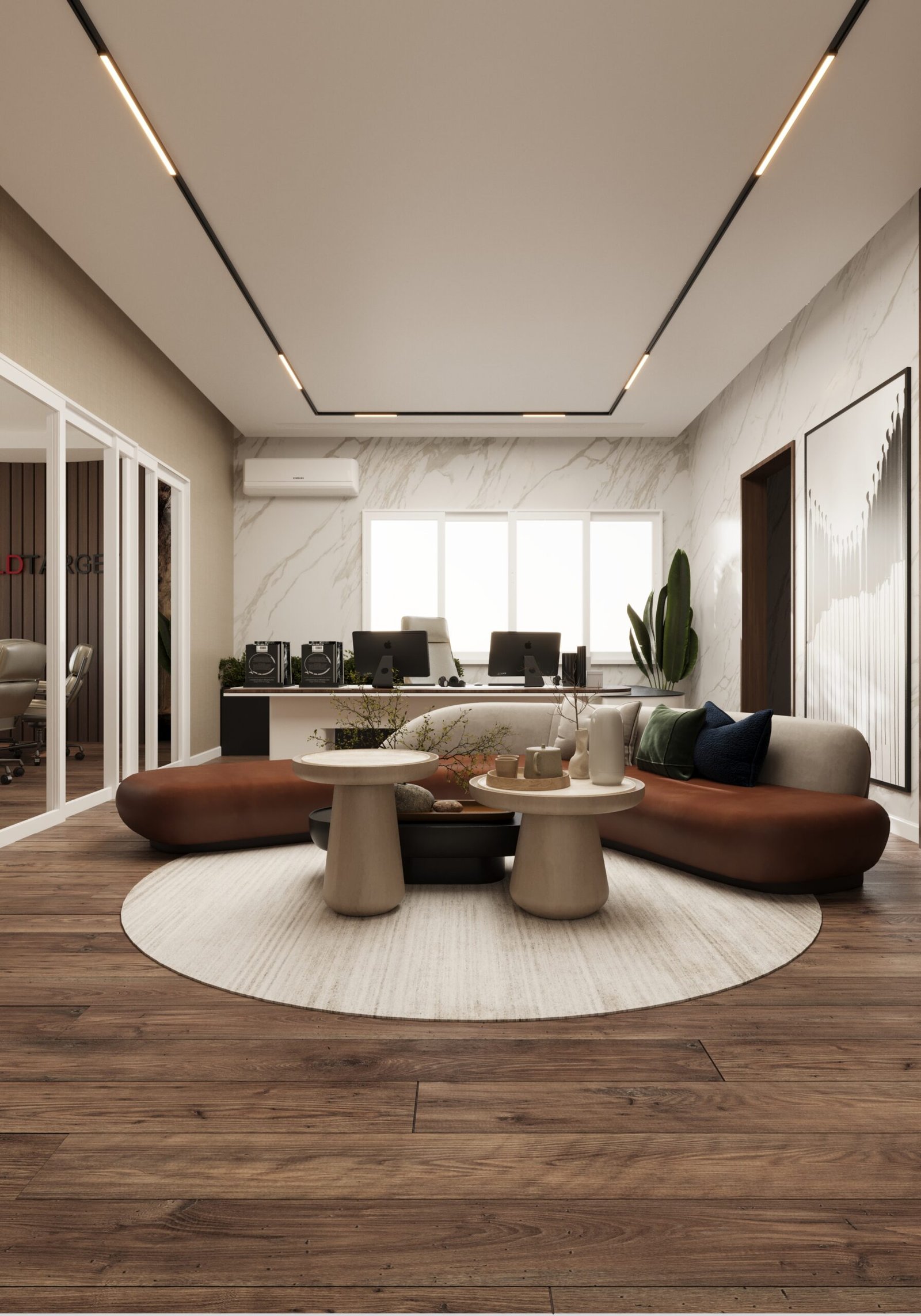
Today’s Saudi interior design landscape is characterized by:
-
Minimalist luxury
-
Neutral color palettes
-
Natural materials
-
Smart home integration
-
Sustainable design choices
Homeowners increasingly prioritize:
-
Functionality
-
Comfort
-
Emotional well-being
-
Cultural identity
Commercial spaces demand:
-
Brand integration
-
Flexible layouts
-
Productivity-driven environments
-
High-quality finishing
Interior design has become a reflection of ambition and innovation.
Sustainability and Smart Design
Modern architecture in Saudi Arabia now integrates:
-
Energy-efficient systems
-
Solar solutions
-
Environmentally friendly materials
-
Smart lighting and automation
Sustainability is becoming a core design principle rather than an afterthought.
This shift represents a maturing industry focused on long-term impact.
Cultural Preservation in Contemporary Design
Despite rapid modernization, Saudi design maintains strong ties to heritage.
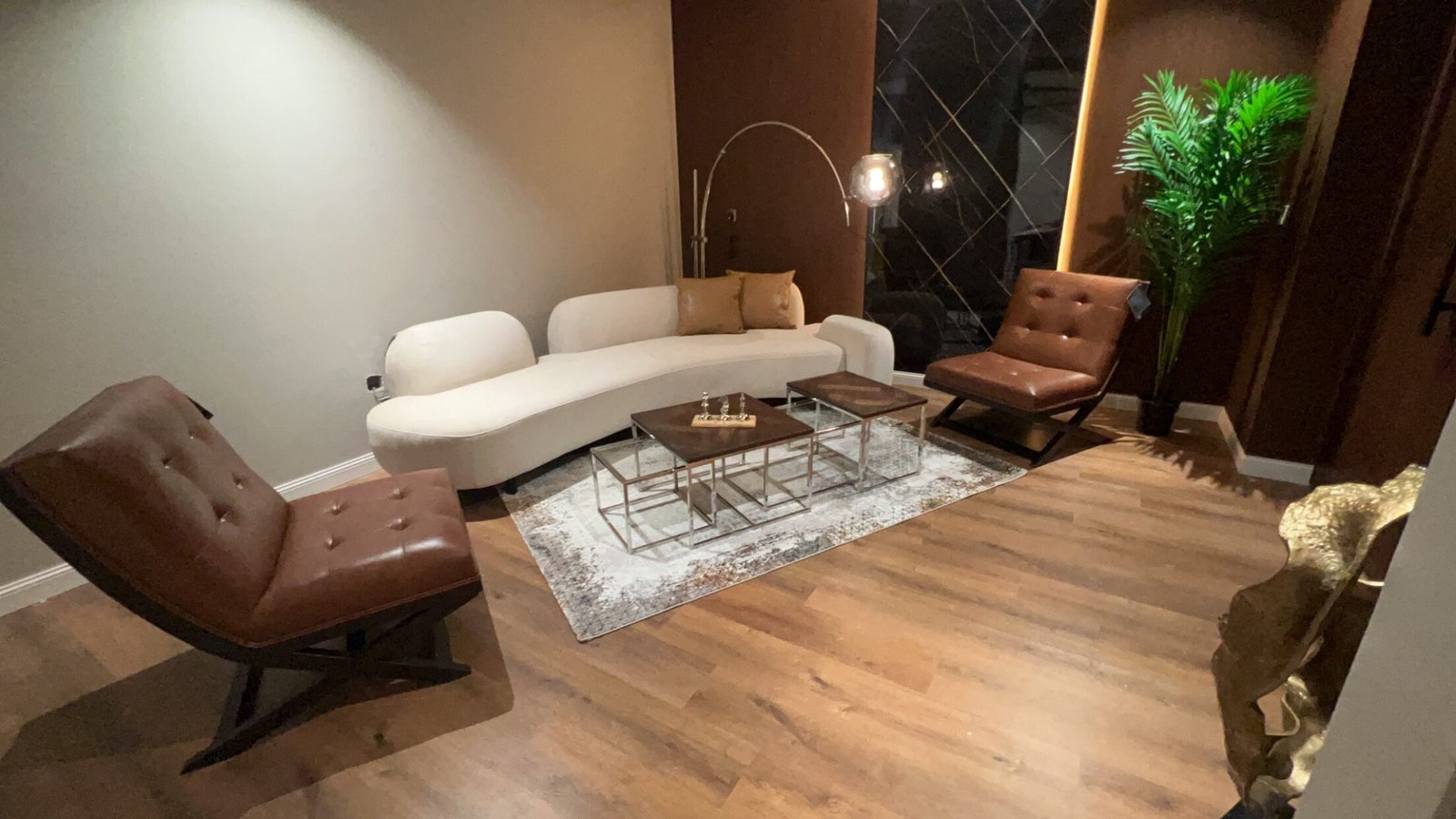
Modern interiors often incorporate:
-
Arabic calligraphy
-
Geometric motifs
-
Natural wood textures
-
Warm earth tones
The balance between innovation and tradition defines today’s design movement.
This balance ensures that modernization does not erase identity — it enhances it.
The Role of Companies Like Meleno
In this evolving landscape, companies such as Meleno represent the new generation of Saudi interior design and finishing firms.
Inspired by heritage and driven by modern standards, Meleno contributes to:
-
Residential transformation
-
Corporate interior development
-
Custom furniture design
-
Turnkey project execution
By understanding the historical evolution of Saudi design, Meleno approaches each project with respect for tradition and commitment to innovation.
Design is not simply about aesthetics — it is about shaping experiences and supporting national progress.
The Future of Saudi Design
The future of interior design and architecture in Saudi Arabia is promising.
We can expect:
-
Greater global collaboration
-
Increased sustainability standards
-
Advanced digital visualization
-
AI-integrated smart interiors
-
Culturally rooted contemporary architecture
Saudi Arabia is positioning itself as a global design leader.
A Journey of Identity and Ambition
The story of Saudi architecture and interior design is one of resilience, adaptation, and vision.
From mud-brick homes in Najd to futuristic smart cities, the Kingdom has demonstrated that design evolves alongside society.
Interior design now influences:
-
Emotional well-being
-
Productivity
-
Social interaction
-
Cultural expression
It shapes how people live, work, and connect.
Conclusion: From Heritage to Excellence
Saudi Arabia’s architectural and design journey reflects its broader transformation — rooted in history yet boldly looking toward the future.
For companies like Meleno, this journey is not just history — it is inspiration.
Every project is an opportunity to honor cultural heritage while embracing modern innovation. Every interior space becomes part of a national narrative of growth and excellence.
The Kingdom’s design evolution is far from complete. It continues to rise, guided by creativity, sustainability, and ambition.